How to Reduce Electricity Bill: 7 Tips for Saving Energy and Money at Home
Energy prices in the UK have skyrocketed in recent years, and households are now looking for ways to save energy and lower their electricity bills. Luckily, there are plenty of changes you can make to conserve energy, reduce your carbon footprint, and save money.
Here are some easy energy-saving tips and home changes that you can implement right now.

1. Know Your Daily Electricity Consumption
The first step to lowering your electricity bill is to know how much energy you’re actually consuming. If you understand your consumption patterns, it'll be easier to make smart decisions and save money.
Tracking Electricity Consumption
A smart energy meter or an energy monitor can help you track your electricity usage. These devices measure how much gas and electricity you’re using in your home and send those readings automatically to your energy supplier. They feature an in-home display screen that provides an instant overview of your energy usage and how much it costs, so you can monitor and reduce the amount you use.
Benefits of smart meters include:
- More accurate bills
- Lower energy consumption
- Access to money-saving initiatives
- Helping to tackle the climate crisis
To get a smart meter, you need to contact your energy provider, and they’ll arrange an appointment for installation.
Identifying Energy Vampires
Keep an eye out for household appliances that draw power even when not in use, also called "energy vampires." Standby devices, such as computers and televisions, can consume electricity over time. Turn them off to avoid unnecessary use.
Make sure to switch off your lights when you’re not using them or when you leave a room. This will save you around £8 a year.
2. Check Your Heating System
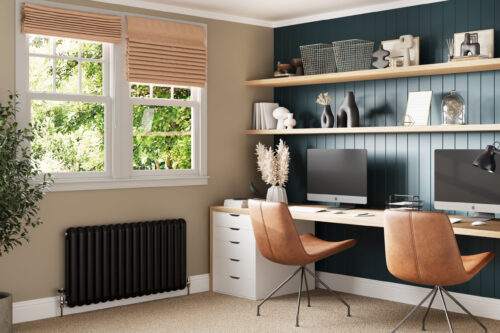
Many people believe that switching to electric radiators can result in a cheaper energy bill. While it’s true that electric radiators are classed as 100% efficient, this is because 100% of the electrical energy used gets transferred into heat energy. The real way to save energy and lower your bills is by running your heating system at a lower temperature.
However, this is only possible if your radiator is the correct size for each room based on the heat loss of the space. If your radiator is undersized, you could run it 24/7, and the room would still be cold, resulting in a lot of wasted energy. Many electric radiator suppliers overstate heat outputs, which means you can end up purchasing a radiator that’s sized incorrectly for your room. This is because electric radiators have an automatic cutoff when the internal temperature of the radiator gets to a certain point (usually 70 degrees C). If the heating element is too big for the radiator, you will never get the full power out of the radiator, as the temperature override will kick in.
The amount of heat output required per room will depend on:
- The room’s size
- How well the room is insulated
- The number of doors and windows
- Construction type
- Geographical location (outside temperatures are different in different locations)
- Surrounding rooms – if any
- The direction the outside walls are facing
Unlike other suppliers, at UK Radiators, we ensure that our electric radiators are supplied with heating elements where the heat output of the radiator at 70 degrees is greater than the wattage of the element. This ensures that what you see in terms of element wattage is what you get in heat output from the radiator.
Keep your home warm, especially during cold weather, and save money on your electricity bill by investing in properly-sized electric radiators.

3. Upgrade to Energy-Efficient Appliances
Investing in energy-efficient appliances is another way to reduce your electricity bill. As their name suggests, these appliances use less energy and lower your monthly bill. All appliances come with an “energy rating,” which will tell you how much energy that appliance uses. This can help you use an appliance that uses the least amount of energy possible.
Energy-Saving Appliances Include:
- Refrigerators and Freezers: You can choose an energy-saving model to consume less power. The energy rating for fridges and freezers will show the capacity for chilled and frozen compartments.
- Washing Machines: Energy-efficient models save both water and energy bills. The energy rating label for washing machines indicates its energy consumption for every 100 washes. It also includes information on capacity and duration of ‘Eco 40-60’ programmes, as well as water consumption and noise emission data.
- Dishwashers: These appliances have an energy rating label which shows the energy consumption for an ‘eco’ setting every 100 cycles.
- TVs and Electronics: The energy rating for TVs and other electronics will show their energy consumption per 1,000 hours of use.

4. Switch to Energy Saving Lightbulbs
Lighting accounts for a large share of electricity consumption in most households. A simple way to lower your electricity bills and improve your carbon footprint is by switching to energy-saving LED bulbs.
Why LED Bulbs Are Better
LED bulbs use 75% less energy than incandescent bulbs and have a lifespan up to 25 times longer, which makes them a long-term investment in energy savings and convenience. If you replace older bulbs with LEDs, you can expect savings of £45 a year in Great Britain and £50 in Northern Ireland.
Additional Tips
- Install dimming switches to control light intensity. However, check that your LED bulbs work with a dimmer control before buying, as not all do.
- Avoid “smart bulbs” controlled by an app. Although they offer a greater range of control and lighting colours, they won’t save energy.

5. Draught Proof Your Windows and Doors
Another simple yet effective way of reducing your electricity bill is draught-proofing your home. Cold draughts in the winter can cause your home to lose heat.
You’ll usually find draughts:
- Around doors and windows
- Through gaps in the floor
- Through the chimney
How to Seal Draughts:
- Search for draughts around windows, doors, and vents.
- Seal the gaps with weatherstripping or caulking.
- Install door sweeps on exterior doors.
Properly sealed gaps prevent winter heat from escaping. You can also invest in professional draught-proofing services. Once any draughts are fixed, this will save you an average of £85 in GB and £95 in NI.

6. Embrace Natural Light
Natural light will reduce your electricity bill significantly. Wherever possible, try to lower the use of artificial lighting and increase the amount of daylight in your space instead.
How to Maximise Natural Light
- Open curtains and blinds during the day to allow sunlight into your rooms.
- Use light-coloured furnishings that will reflect light and brighten up the room.
- Consider upgrading to skylights or larger windows to bring more natural light into your home.
The more natural light you can use, the less you’ll need to depend on electric lighting, helping you save energy and money.
7. Conserve Energy with Quick, Smart Habits
Even the smallest things make a difference to your energy bills. Here are some quick tips to help you save energy:
- Don’t Overfill Your Kettle – People tend to fill their kettles with more water than they need. If you avoid overfilling your kettle, this can save you £10 a year in GB and £12 in NI.
- Fit a Tap Aerator – This small gadget attaches to the spout of your tap. It has tiny holes that reduce the amount of water you use.
- Wash Clothes in Cold Water – Wash your clothes on a 30°C cycle. This could save £27 a year in GB and £30 in NI on your electricity bill.
- Run Your Dishwasher When It’s Full – If you reduce how often you use your dishwasher by one run per week for a year, this could bring you significant savings.
- Air-Dry Your Washing – Skipping the tumble dryer can save you £50 a year in GB and £60 in NI.
Frequently Asked Questions
How Do I Minimise the Cost of Electricity?
In the UK, electricity costs even more than gas. Minimising electricity costs begins by tracking your electricity usage with an energy monitor. Try to:
- Upgrade to energy-efficient appliances.
- Operate your central heating system at lower temperatures. (To do this, you need to ensure your radiators are sized correctly for your space.)
- Seal draughts.
- Unplug your devices when you’re not using them.
- Switch the lights off.
- Use less water.
What Runs Up Your Electric Bill the Most?
Several factors contribute to a high electric bill:
- Under-Sized Electric Radiators: Under-sized electric radiators are unable to heat a space properly. You’ll end up running under-sized radiators for longer periods in an attempt to get your room up to the desired comfort level, which will increase your heating bill.
- Hot Water: Using too much water, especially at high temperatures, can increase your heating costs.
- Appliances: Older or inefficient appliances use more energy, which increases your costs.
- Lighting: Incandescent bulbs use more energy than LED bulbs.
How Can I Reduce My Electricity Usage?
To minimise your energy usage:
- Switch to Energy-Efficient Appliances: Use appliances that consume less energy.
- Seal Air Leaks and Draughts: Seal openings around doors and windows to avoid cold air drafts in winter.
- Use LED Bulbs: These use less power and are durable than traditional lighting.
Applying these power-saving practices will significantly reduce your overall consumption.
Which Device Is Good for Energy Saving?
Here's how to save energy with these smart devices:
- Smart Meters: Use these to understand how much energy you’re using on a daily basis.
- LED Bulbs: Use highly energy-efficient bulbs to reduce your lighting costs.
- Smart Power Strips: Use these to turn off multiple devices at once and avoid phantom energy use.
Conclusion
You don't have to go as far as reading by candlelight at night to reduce your electricity bill. Monitor your energy usage and adopt some simple energy-saving habits, and you’ll significantly reduce your electricity bill and save money. Making adjustments to your home, such as updating your radiators and sealing draughts, will also help.