Are Cast Iron Radiators Efficient? A Review of Their Heating Performance
If you’re drawn to the timeless appeal of cast iron radiators, you’re not alone. Their vintage aesthetic and solid craftsmanship certainly look the part. But the burning question is, are they efficient when it comes to heating your home?
Whilst cast iron radiators offer impressive finishes, their efficiency can vary depending on the heating system. In systems that run continuously, such as low-temperature heating systems, cast iron radiators perform similarly to other types. However, in systems controlled by a central room thermostat (or on/off control), they’re slower to heat up compared to other heating innovations. That’s why we can't recommend cast iron radiators, as they can lead to energy waste after the space has reached the desired temperature.
Are Cast Iron Radiators Better Than Other Types?

Heating Efficiency: Cast Iron vs Other Versions
There's a common myth that cast-iron radiators are more heat-efficient than other types of radiators because they retain heat longer. But the truth is that radiators don’t heat your home by holding on to heat. They transfer it to the room. Once you switch off your heating system, cast-iron radiators continue to disperse heat, which can lead to energy and heat being wasted.

What Makes Radiators Efficient?
Having the correct heating outputs makes a radiator efficient. Incorrect heating outputs can lead to inefficient heating. That's why you need to calculate radiator outputs accurately, taking into account the varying conditions, to ensure energy is used efficiently and avoid wastage.
A radiator that’s too small won’t heat up the room to the desired temperature, irrespective of the material it's made from. But in order to choose a radiator that’s sized properly, you need to ensure that your radiator’s heat outputs are accurate and correctly specified. Not all radiator suppliers will correctly specify their heat outputs on their website – they may overstate them.
At UK Radiators, we confirm the accuracy of our products by independently testing their heat outputs. While testing confirms that our radiators meet the required specifications, it’s important to note that the right radiator size is determined by calculating the room’s heat loss. This ensures that each radiator is properly sized based on your room’s heat loss calculations for efficient heating and optimal performance.
So, when we talk about efficiency, heat retention, and cast-iron, we need to look at the amount of heat output required per room, which depends on:
- The size of the room
- How well the room is insulated
- The number of doors and windows
- Geographical location (since outside temperatures vary by location)
- Surrounding rooms (if any)
- Directions the walls are facing
If you're aiming for a responsive heating setup, consider other radiator materials to save on the time that cast iron radiators take to heat. Steel and aluminum designer radiators are the better option if you want a more responsive and quicker way of heating compared with traditional cast-iron radiators.

Cast Iron Radiators Offer Less Flexibility Compared to Other Heating Options
Modern radiators provide flexible heating options that fit around your lifestyle. Want to warm up the living room quickly on a chilly morning? You can get instant heating with modern steel and aluminium rads.
On the other hand, cast iron radiators take longer to heat up. Their higher mass and heat retention can work well on lower temperature systems with weather compensation controls or in homes where rapid response and heat-up times are not required. However, aluminium or steel is much better for homes using on/off heating controls on a timed heating schedule.

Do Cast Iron Radiators Suit All Home Decor Styles?
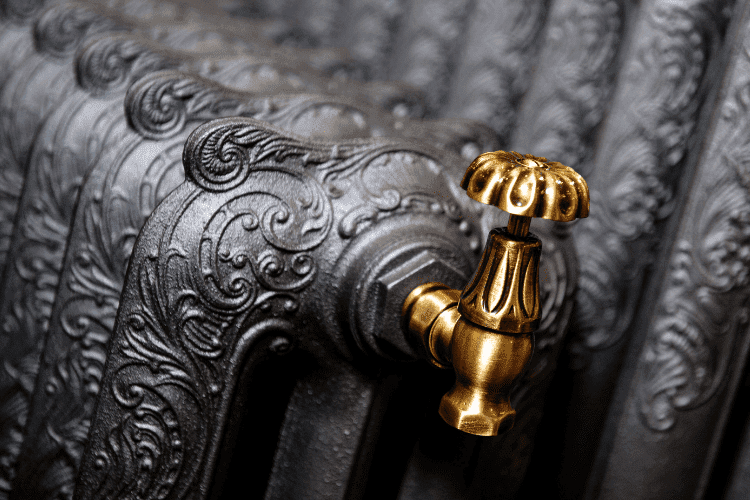
Cast iron radiators have a distinctive look: traditional, ornate, and heavy-duty. But if you’re going for a clean, Scandi, or contemporary vibe, the style might not work. Even a white cast-iron radiator or a black cast-iron radiator can look out of place in modern decor styles.
Old, cast-iron radiators have a particularly old-fashioned Gothic design, which can suit vintage and industrial styles. But that style comes at a cost. There’s no such thing as cheap cast-iron radiators. Because of their impressive finishes and hefty material, cast iron radiators cost a lot. If you’re on a budget, this style won't do you any favours.
Cast Iron Radiator: An Outdated Model

Here’s the thing. Cast iron radiators simply don’t make the grade in modern homes. They can be heavy, slow to heat, and waste energy, particularly in homes with gas central heating systems. That's why iron radiators are often seen as outdated. However, they’re making a comeback in modern low-temperature weather-compensated systems like heat pumps, which can be powered by renewable energy and are much more efficient.
Modern radiators from UK Radiators offer a classic Gothic design, with better energy use, more flexible heating, and a range of finishes, without the drawbacks of cast-iron. If you want the charm of cast iron but the performance of a modern radiator, shop our cast-iron style radiators.
Frequently Asked Questions
What Are the Disadvantages of a Cast Iron Radiator?
While they look impressive, in terms of efficiency, cast iron radiators come with several drawbacks. First off, cast iron radiators cost significantly more than other types of radiators because of the craftsmanship involved and hefty material.
They’re also slow to heat up, which can be frustrating during the winter months. Yes, traditional iron radiators are great if you want that vintage style, but they fall short when it comes to efficiency and flexibility. Generally, you probably shouldn’t buy cast iron if your priority is energy-saving or system responsiveness.
What Type of Radiator Is Most Heat-Efficient?
If you’re after efficient heating, aluminium radiators are a fantastic pick. They heat up quickly when sized correctly for your room and respond well to modern on/off controls, making them a smarter choice in homes with timed or zoned heating setups. Steel radiators are also popular thanks to their durable build and wide range of design options. Compared with traditional cast iron, both aluminium and steel radiators provide a more efficient way of heating in most heating systems and are typically more cost-effective.
Do Cast-Iron Radiators Retain Heat Longer?
Yes, cast iron radiators do have better heat retention thanks to their high mass and specific heat capacity. But while this sounds like a benefit, it’s not quite that simple. Radiators are designed to transfer heat to the room, not store it. Any retained heat after you switch off the system may be wasted unless your space is always in use. So when you think about heating efficiency, heat retention, and the radiator, the slow response time of cast iron may actually work against you.
Do Cast-Iron Radiators Give Off More Heat?
Not necessarily. The heat output of a radiator depends more on its total surface area, water content, and system setup than on the material itself. Cast iron radiators don’t inherently give off more heat than steel or aluminium versions. In fact, aluminium radiators can deliver higher heat output more quickly. So, while iron radiators are great for steady, long-term heating when sized correctly, they’re often outperformed by more responsive, affordable, and quality radiators in modern homes.
Final Thoughts
For most homes, modern steel or aluminium radiators provide a more sensible choice than cast iron. They’re more responsive, more efficient, far more adaptable to your home’s needs, and they look good too.
At UK Radiators, you’ll find radiators that suit your style and your system. Plus, as an Ethy verified brand, we make it easier to choose a heating solution that’s stylish, reliable, effective, and sustainable.