What Is Central Heating? A Guide for UK Homes
The majority of UK homes have a central heating system installed. This heating system gives you on-demand heat when you need it. Since central heating is such a big part of our everyday lives, having a basic understanding of how they work can help us when things go wrong.
What Is Central Heating?
“Central heating” generally refers to a “wet/hydronic system.” It generates heat from a single, central source and distributes it throughout your home, using pipes and radiators, depending on the type of system. Think of it as one system that controls every room. This is unlike standalone electric heating or old-fashioned gas fires that are only able to heat one room at a time.
That said, modern central heating radiators can also come with individual thermostatic radiator valves that help fine-tune temperatures room by room.
According to the Office for National Statistics, around mid-90% of UK homes have some form of fixed/main central heating, and gas is the main fuel used.
Subtypes of Central Heating Systems:
- Wet Central Heating Systems - This type of system is the most common option in UK homes. This is where water is heated by a boiler, and is pumped through pipes to radiators, which then transfer heat to your rooms.
- Warm Air Heating Systems - This system blows hot air through ducts around your home. Although they're rarer now in the UK, they were once popular in the 1960s and 70s.
How Does Central Heating Work? (Wet Systems)
Here's what's actually happening every time you switch the heating on.
- Step One - In many systems, the thermostat or control system detects that the room temperature has dropped below your target setting and calls for heat via controls/zone valves.
- Step Two - The boiler fires up and heats water using gas, oil, or electricity, depending on your system type.
- Step Three - A central heating pump drives the hot water through the pipework around your home.
- Step Four - Hot water flows from your pipes through your radiators. The radiators then transfer that heat into the room via convection and radiation.
- Step Five - The water cools down and travels back to the boiler to be reheated.
- Step Six - This cycle repeats until the thermostat registers that the target temperature has been reached, at which point the boiler shuts off.
The Role of Controls
Modern central heating doesn't just switch on and off; there are a lot of moving parts, all working together:
- Room thermostats set your target temperature.
- Programmers and timers control when the heating comes on and goes off.
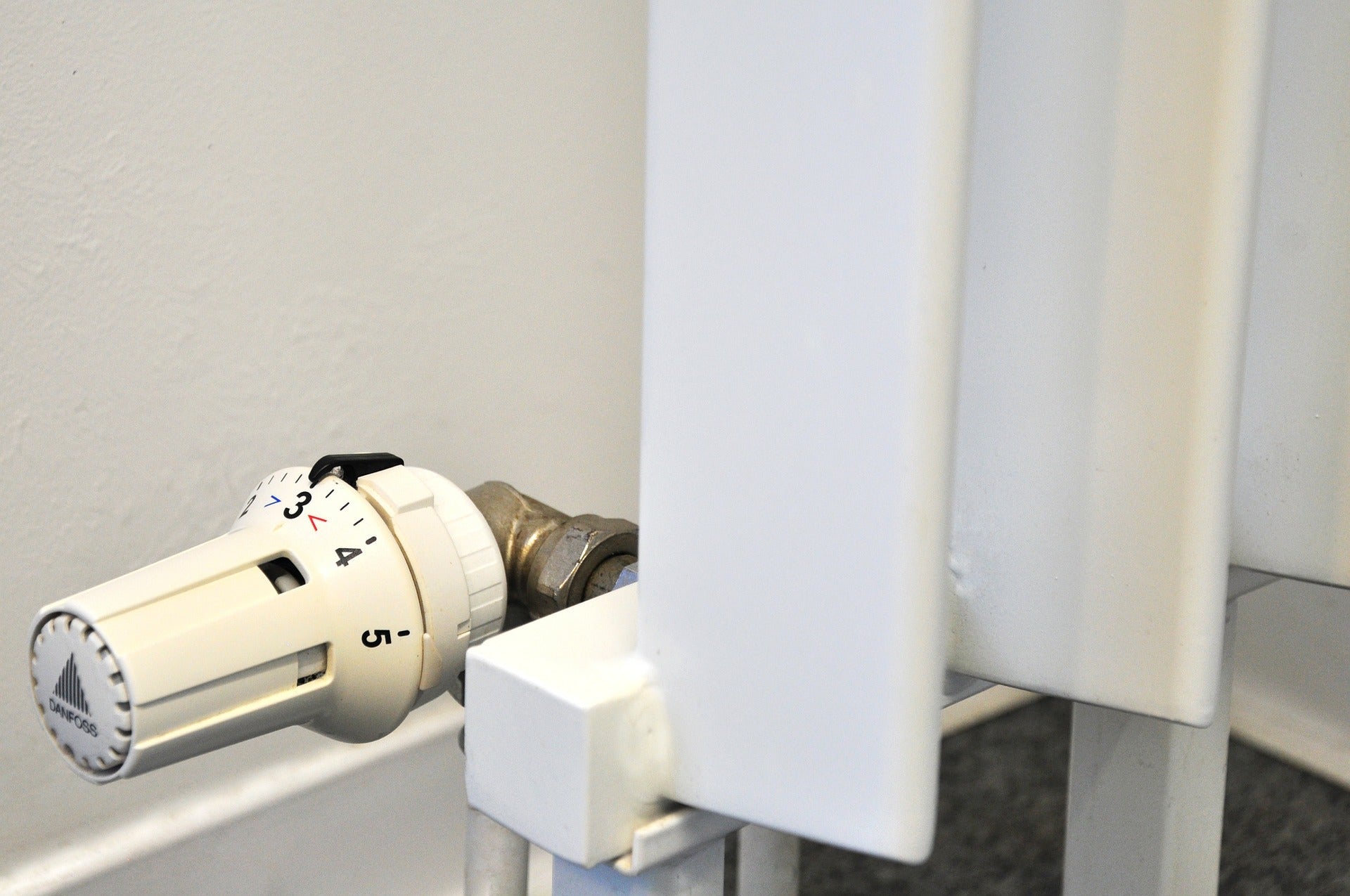
- TRVs (thermostatic radiator valves) on individual radiators help fine-tune temperatures room by room.
- Weather compensation controls can improve the efficiency of your central heating system. This is because they modulate the system's operating temperature based on what the outside temperature is at any given time.
Components of a Central Heating System
Your central heating system has a lot of different components that all need to work together properly to heat up your home. Here's what makes up a typical wet central heating system in a UK home.
The Boiler
The boiler heats the water that circulates around your home. The most common type of boiler in the UK is the gas combi boiler, which provides both central heating and instant hot water without a separate hot water cylinder.
That said, the boiler alone doesn't determine how efficient or effective your heating is. If you have a top-of-the-range boiler, but undersized radiators, this will still leave your home feeling cold.

Radiators
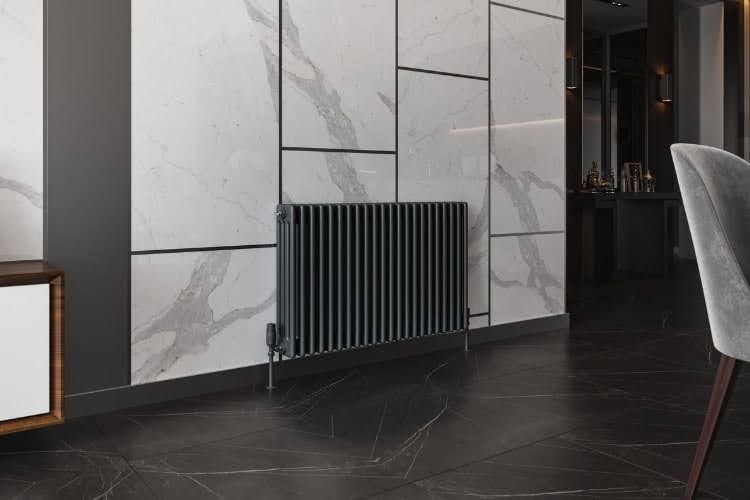
Radiators are what transfer the heat into your space. They come in a range of different types: single-panel, double-panel, column-style, and flat panel designer options. You can also purchase them in different materials, such as steel, aluminum, and more.
Pipes, Pump and Valves
The pipework carries water between the boiler and the radiators. The central heating pump drives that water around the circuit.
TRVs (thermostatic radiator valves) are fitted to individual radiators and let you dial the temperature up or down, room by room, independently of the main thermostat. They shut off the flow of the water to the radiator when its reached the desired temperature.
They're a simple but effective way to control how warm or cool a room is.
Types of Central Heating Systems in the UK
Not every home uses the same type of central heating system. The type you have will affect your running costs, your fuel options, and how the whole setup is configured.
-
Gas Central Heating System - This is the most common type of central heating system in the UK. A gas boiler heats the water that circulates through the system. It uses gas as the fuel source. There are three main gas boiler types:
- Combi boilers: These heat water on demand with no need for a hot water cylinder.
- System boilers: This type of boiler works with a hot water cylinder but doesn't need a cold water tank in the loft.
- Conventional (heat-only) boilers: This is a traditional setup with both a hot water cylinder and a cold water tank. Often found in older properties.
- Oil Central Heating - These oil-fired systems are an alternative for homes in rural areas that aren't connected to the mains gas network. Like gas, the boiler heats up the water, which then circulates to the radiators. However, the fuel is stored in an oil tank on your property.
- Electric Wet Central Heating - This type of system uses electric boilers. You may have this system if gas isn't available, where installation costs for gas pipework are prohibitive, or in newer, well-insulated properties where heat demand is lower.
- Direct Electric Heating – This is where you use electric heating (like storage heaters), room-by-room. This is not a wet central heating system.
- Heat Pumps - This type of system is slowly becoming more popular in the UK, with the UK heat pump market reaching record levels in 2025 (Alto Energy). Ground or air source heat pumps don't use fossil fuels. They extract heat from air, ground, or water and distribute it throughout the building using ducts, pipes, or underfloor heating pipes.
The UK government's Boiler Upgrade Scheme (BUS) offers grants of £7,500 to help homeowners in England and Wales switch to a heat pump. Scotland and Northern Ireland will have different schemes.
How to Keep Your Central Heating Running Efficiently
If you want to ensure your central heating system lasts a long time, it's important to look after it. Here are a few simple habits that can make a big difference to the lifespan and performance of your heating system.
- Book an Annual Boiler Service with a Gas Safe Registered Engineer - This keeps your boiler running safely and efficiently. It's also usually a warranty requirement, too.
- Bleed Your Radiators - Air can get trapped in the system over time, which stops water from circulating as it should. We recommend bleeding your radiators once a year, or whenever you notice cold spots at the top of the radiator.
- Check Your Boiler Pressure Regularly - Typically, your pressure should sit between 1 and 1.5 bar. If it keeps dropping, you may have a leak somewhere in the system.
Signs Your Central Heating System Might Need Attention
- Radiators Have Cold spots - This is usually down to air or sludge blocking the flow. Bleeding the radiator will release trapped air; if sludge is the problem, it may need a power flush.
- Uneven Heating Between Radiators - Your system may need balancing. This process adjusts the flow rate to each radiator so they all heat evenly.
- Your Boiler is Losing Pressure Regularly: This could potentially indicate a leak in the system or a faulty pressure relief valve.
- Banging or Gurgling Noises - These noises are often caused by trapped air in the system. You also may have sludge build-up or issues with the pump.
If you've noticed one of your radiators isn't working properly, or it's not heating up at all, take a look at our Radiator Not Working? guide for advice and tips.

Why You Need Properly Sized Radiators As Part of Your Central Heating System
We often overlook our radiators. Most people inherit whatever was fitted when the house was built and never give it another thought. However, having properly sized radiators makes a huge difference to how warm you feel and how energy efficient your system is.
Every single radiator comes with a heat output measured in BTUs (British Thermal Units) or watts. However, many radiator suppliers overstate their radiator heat outputs, which means UK homeowners end up purchasing a radiator that's too small to effectively heat up their space.
At UK Radiators, we're against energy efficiency fraud. All our central heating radiators come with accurate heating outputs, from traditional column radiators to stylish designer radiator options, so you know you're getting a reliable way to heat your home.
When your radiator is sized correctly, you can heat your space without having to crank up your boiler’s flow temperature.
FAQs
What's the Difference Between Central Heating and a Boiler?
A boiler is only one component of a central heating system: the heat source. In contrast, your central heating system is the entire setup: the boiler, the pipes, the radiators, the pump, and the central heating controls all working together.
Is Central Heating the Same as Radiators?
Your radiators are only a part of your central heating system. Central heating systems are also made up of the boiler, pump, pipework, and controls, too, all working together to produce heat for your home. You can't have a wet central heating system without radiators. Underfloor heating is also often used as part of the system.
However, you can also invest in radiators that are not a part of your central heating system. These are usual electric heaters.
Is it Cheaper to Leave Central Heating on all Day or Use a Timer?
Using a timer is more cost-effective when heating your home.
Leaving the central heating running 24/7 means you're paying to maintain warmth even when you don't need it. Set your timer to come on around 30 minutes before you need the heat. That's enough time for most systems to reach your target temperature.
How Long Does a Central Heating System Last?
Regular maintenance is one of the biggest factors in extending the life of your heating system.
- A modern gas boiler system is likely to last around 10–15 years with annual servicing.
- Pipework rarely needs replacing unless there are serious corrosion issues.
- Radiators can last 20 years or more if they're not damaged by things like sludge build-up. At UK Radiators, all our radiators come with warranties of up to 25 years, so you can replace your radiators with peace of mind.
How Much Does it Cost to Install Central Heating?
The full cost of installing a modern central heating system will depend on the size of your home and the number of bedrooms. However, here are the average prices according to Check A Trade:
- Oil System: £5000 - £7300
- Electric System: £3230 - £4350
- Gas System: £4500 - £6000
What's the Difference Between Central Heating and Electric Heating?
Both central and direct electric are types of heating systems.
- Central heating system - This refers to a wet system with a boiler (gas, oil, electric, or heat pump) that circulates water through hot water pipes to radiators.
- Direct electric heating (room-by-room) – This covers standalone electric heaters or storage heaters. They don't need any gas supply. They also tend to have higher running costs.
You can combine both heating systems in one household. For example, you may use a gas boiler as your main system, but also have an electric towel rail in the bathroom to keep your towels nice and warm. At UK Radiators, we have a range of electric radiator options for you to browse through.
Should Central Heating Be On All the Time in Winter?
For some homes, you don't have to keep your heating on all the time in winter, but this depends on the type of system, insulation, thermal mass, controls, and occupancy.
We recommend doing some radiator maintenance before the winter months to ensure your radiators are working as they should be. This includes: bleeding your radiators, balancing your system, and flushing out any sludge.
We also recommend draught-proofing your home. Look for gaps in your home where cold air may be creeping in, and hot air may be escaping (keyholes, underneath doors, letterboxes). and cover them up.
Use a timer to get the most from your system without wasting money. Finally, it's important to ensure your radiators are sized correctly for your home. This way, your home will still stay warm without you having to turn up the flow temperature.
Conclusion
Now you've got a proper handle on how your central heating system all fits together.
At UK Radiators, we'll ensure you get the best radiators for your heating system and your home. If you're thinking about replacing your radiators or want to make sure you've got the right setup for each room, get in touch. Browse our central heating radiators range to find exactly what each room needs.
References
- ONS. (2024, October 8). Energy Efficiency of Housing in England and Wales: 2024. Office for National Statistics
- Townsend, M. (2026, February 18). UK Heat Pump Market Hits Record Heights in 2025 — What That Means for Installers. Alto Energy.
- CheckaTrade. (2024, April 30). Central heating installation cost guide. CheckaTrade.
- GOV.UK. (N.D). Boiler Upgrade Scheme. GOV.UK.