Radiator Not Working? Causes, Fixes & When to Upgrade
Have you been getting the cold shoulder from your radiator? There's nothing more frustrating than cranking up the central heating only to find your radiator is stubbornly refusing to warm up. You might have cold patches, a little heat, or absolutely no heat at all. Maybe only one radiator isn’t working, or perhaps it’s quite a few of them. Whatever your situation, a radiator that’s not working properly can turn winter from cosy to miserable.
The good news is that most radiator problems have straightforward solutions you can implement yourself.
At UK Radiators, we know a thing or two about radiators. Not to brag, but we're sort of experts. We'll walk you through the common causes of a radiator that's not heating up and give you clear fixes you can try today.
Keep in mind that sometimes, you may just need to call in a professional or upgrade to a new, more modern radiator. But don’t worry – we’ll let you know when that’s the case.
How Central Heating and Radiators Should Work
Let's take a quick look at how your heating system should work when everything's running smoothly.
Typically, your central heating system works on a loop:
- Your boiler heats water.
- Pumps push that hot water through pipes to your radiators.
- The radiators radiate the heat.
- The cooled water returns to the boiler to be reheated.
Note - This is typical for the UK, but not every home will have this exact setup. Some homes use underfloor heating, warm-air systems, or electric radiators, which don't follow this typical model.
Basic Parts of a Radiator System
These basic parts make up your radiator system:
- The boiler heats water to around 60-70°C. It's basically the system's heart.
- Now you have hot water, pipes carry it to all the radiators in your home.
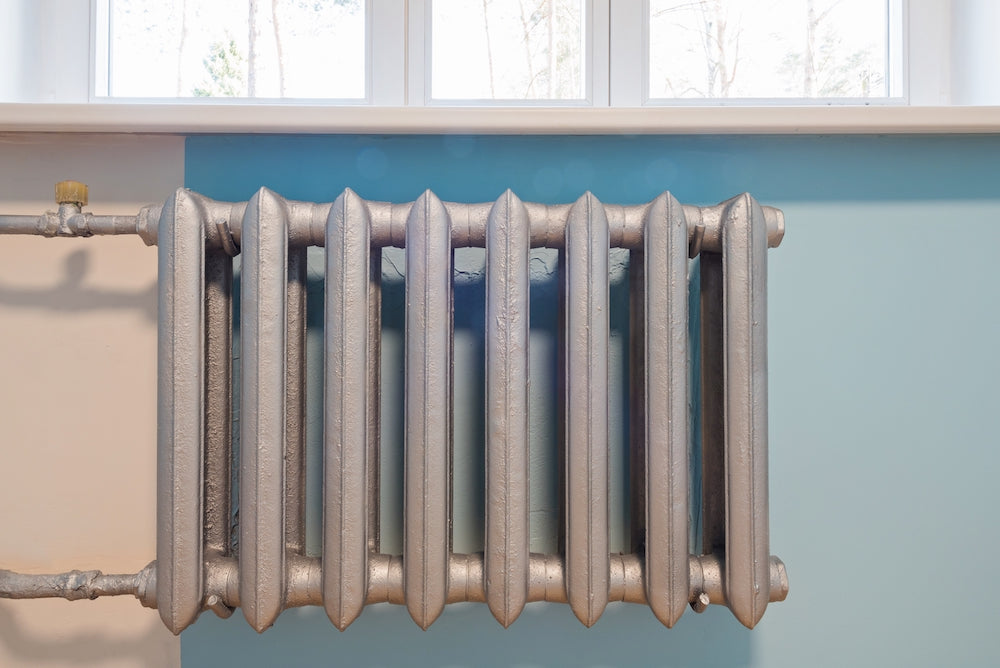
- The body of the radiator is what transfers heat into your room.
- The valves control the flow of hot water to your radiators. You'll find a thermostatic radiator valve (TRV) on one side that lets you set the temperature, and a lock shield valve on the other that balances the system (so all rooms heat up at a similar rate).
Common Signs Your Radiator Isn't Working Correctly
Here are some things to be on the lookout for.
The Top of the Radiator is Cold
If the affected radiator feels hot at the bottom but cold at the top, there's likely trapped air in the radiator. This happens when air rises and collects at the highest point, creating an airlock that stops hot water from circulating properly.
This is the most common radiator problem and thankfully one of the easiest to fix. You just need to bleed the radiator to release the trapped air.
The Bottom of the Radiator is Cold
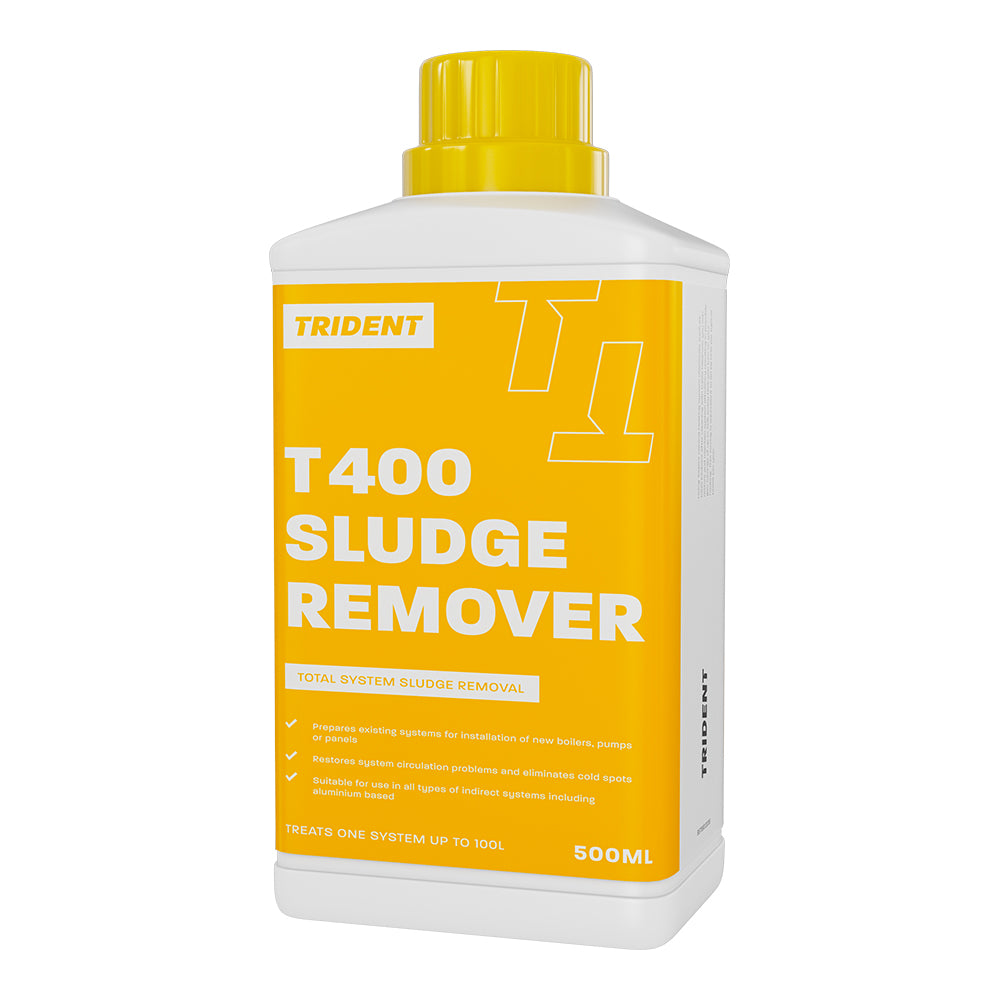
If you have a radiator that's hot to the touch at the top but cold at the bottom, this is a classic sign of sludge buildup.
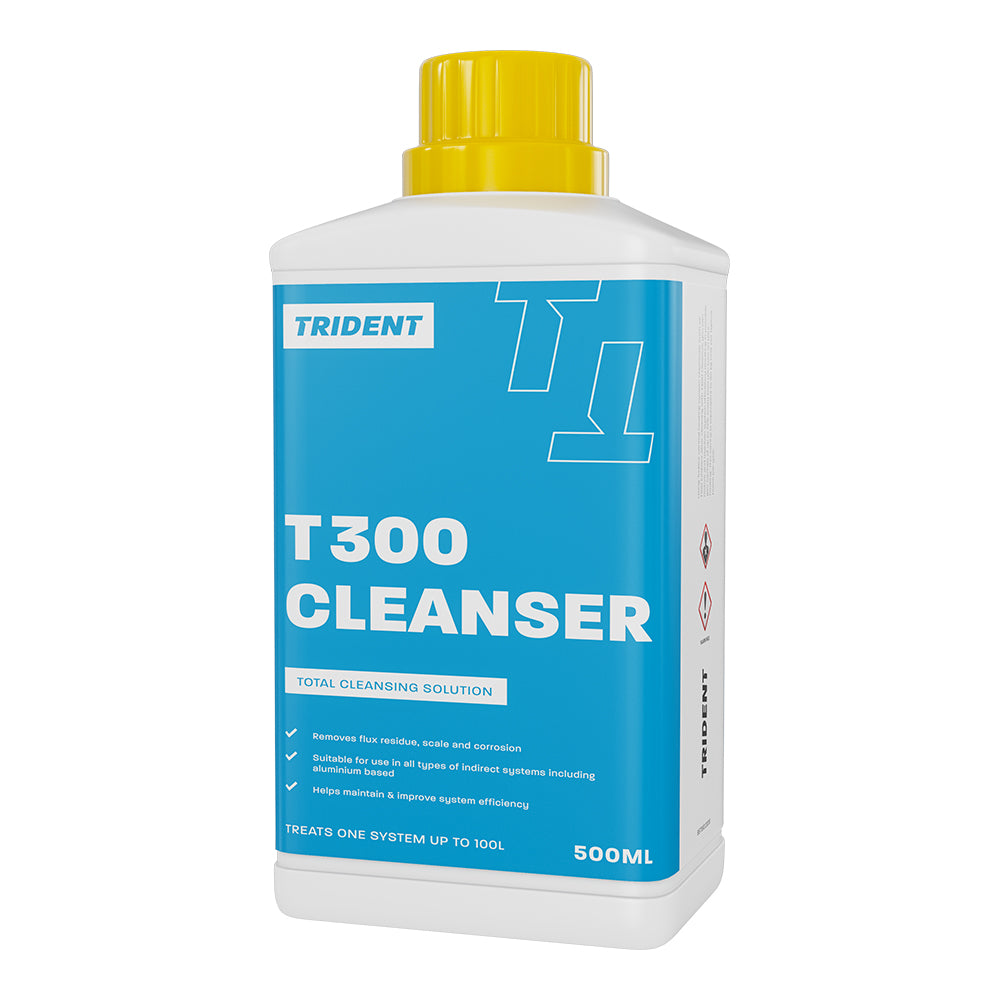
Over time, rust and debris start to build up in your heating system, creating sludge that settles at the base of your radiators. This can cause a huge problem for the efficiency of your radiators, restricting water flow. This sludge can't rise, which means heat will concentrate at the top of the radiator while the bottom stays stubbornly cold.
The Whole Radiator is Cold
If you're dealing with cold radiators, you may be looking at a valve issue or system imbalance.
- The thermostatic valve might be closed or stuck, which means hot water can't get into your radiator. This can be due to limescale, debris, or another type of blockage.
- The lockshield valve could be shut off.
- Your heating system might be unbalanced.
Check that both valves are open before investigating further.

Radiator Not Heating Up? Quick, DIY Fixes You Can Try Today
Radiator not working? Before calling in a professional heating engineer, here are some straightforward fixes you can try.
Important Note - Make sure to turn off your heating system and let the radiators cool down before working on valves or bleeding. Hot water can cause serious burns.
1) Bleed the Radiator
If the top of your radiator is cold, then your radiator may need bleeding.
You'll need:
- A radiator key (available from any hardware shop or Amazon)
- A cloth or a tea towel
- A small container
How to Bleed a Radiator (Step-By-Step):
- Turn off your heating and let the radiators cool down.
- Insert the key into the bleed valve at the top corner of the radiator.
- Turn the key anticlockwise very slowly. A quarter turn is enough.
- You'll hear a hissing sound as trapped air escapes.
- Keep the valve open until the hissing stops and water starts dripping out.
- Turn the bleed valve clockwise to close it, then wipe away any water with the cloth or tea towel.
If you have more than one radiator that's cold, they may also need bleeding. Start with the radiators that are farthest away from your boiler. There's science in this: it pushes air toward the boiler as water refills from the nearest point.
After bleeding multiple radiators, check your boiler pressure. You might need to top it up slightly.
2) Check and Free Stuck Valves
Thermostatic radiator valves can seize up, particularly if you haven't adjusted them in a while.
How to Check Radiator Valves:
- Remove the plastic head from the TRV. It usually just pulls off or unscrews.
- You'll see a small metal pin underneath.
- Try pushing this pin gently – it should move freely. If the pin is stuck, give it a few gentle taps with a wrench handle to free it up.
- Once the pin moves smoothly, replace the valve head and turn it to see if water starts flowing.
If the valve still doesn't work properly after freeing the pin, it might need replacing. Investing in high-quality radiator valves from a trusted brand like UK Radiators makes a real difference. Cheap valves stick more often.
3) Balance Your System
If radiators closest to your boiler get scorching hot whilst distant ones barely warm up, your system needs balancing. Hot water naturally takes the easiest path, which means radiators near the boiler hog all the flow. Balancing involves partially closing the lockshield valves on hot radiators to redirect water to colder ones.
How to Make Sure Your System is Properly Balanced:
- Open all TRVs and lockshields fully.
- Turn the heating on to identify the heat-up order. (Start with the hottest first, which you'll usually find nearest the boiler).
- Shut off the heating and let the radiators cool down.
- Fully close and reopen the hottest radiator's lockshield by a quarter-turn anticlockwise.
Continue with the rest of the radiators throughout your home. Radiators furthest from the boiler should have their lockshield valves most open.
4) Check the Boiler Pressure
Sometimes the radiator itself is not the problem. Low boiler pressure can cause cold radiators.
Your boiler has a pressure gauge. This looks like a dial with a needle or a digital display for more modern boilers. When the system is cold, the boiler pressure should read between 1 and 1.5 bar. This is typically the "green zone".
If the pressure has dropped below 1 bar, you need to repressurise your boiler.
How to Repressurise Your Boiler
Most boilers have what's known as a filling loop: two valves that are connected by a flexible hose under the boiler. If you slowly open both valves, the pressure gauge should start to rise. When it reaches the correct pressure (1.2-1.3), close both valves.
Important Note: Always make sure to review your boiler manual before taking charge of it. If your boiler keeps losing pressure, you might have a leak that needs professional attention.
When to Call a Professional Heating Engineer
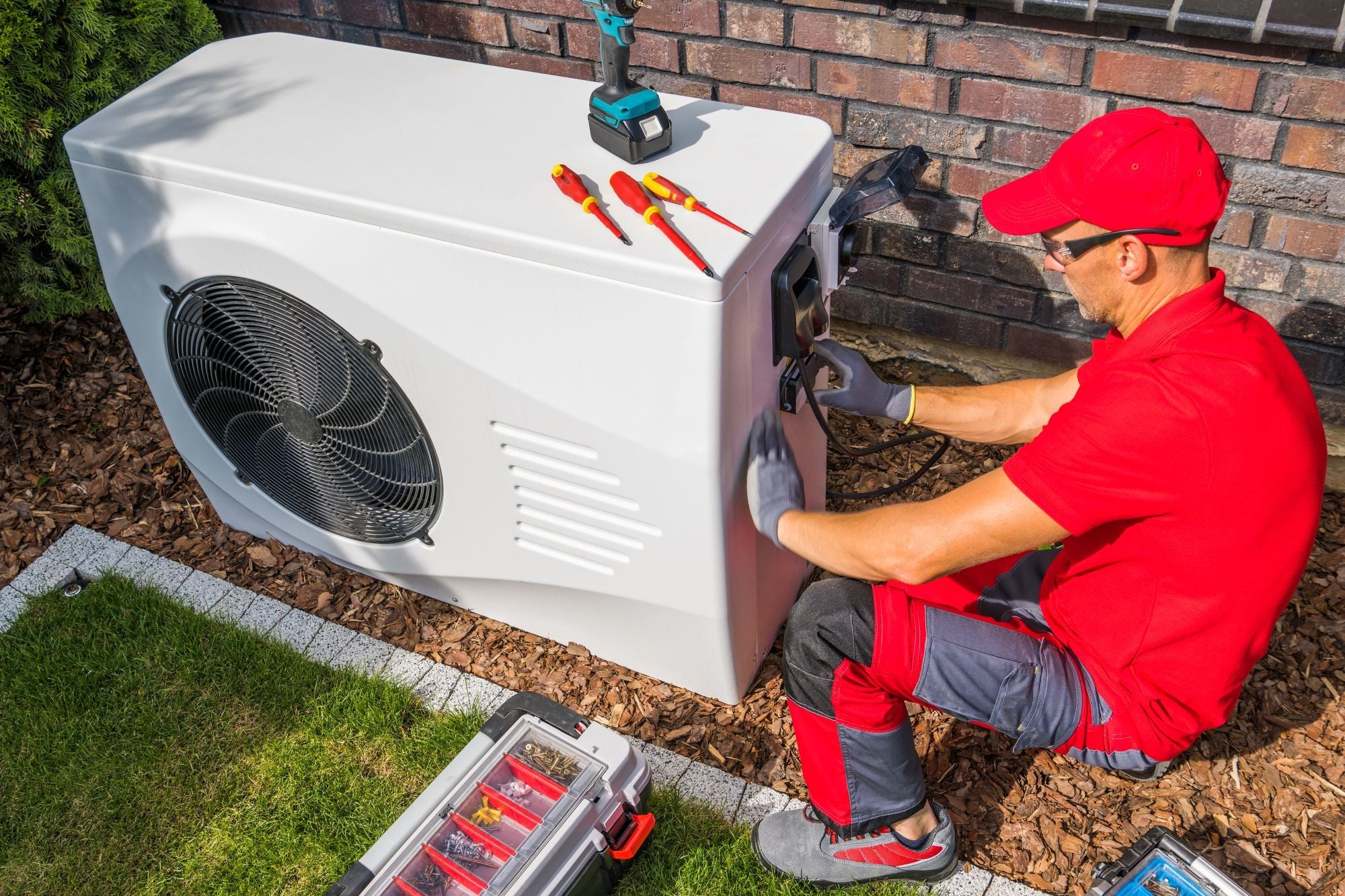
If you've tried our DIY fixes above and the problem persists, you're probably going to need professional assistance. Here are some problems that will need a helping hand:
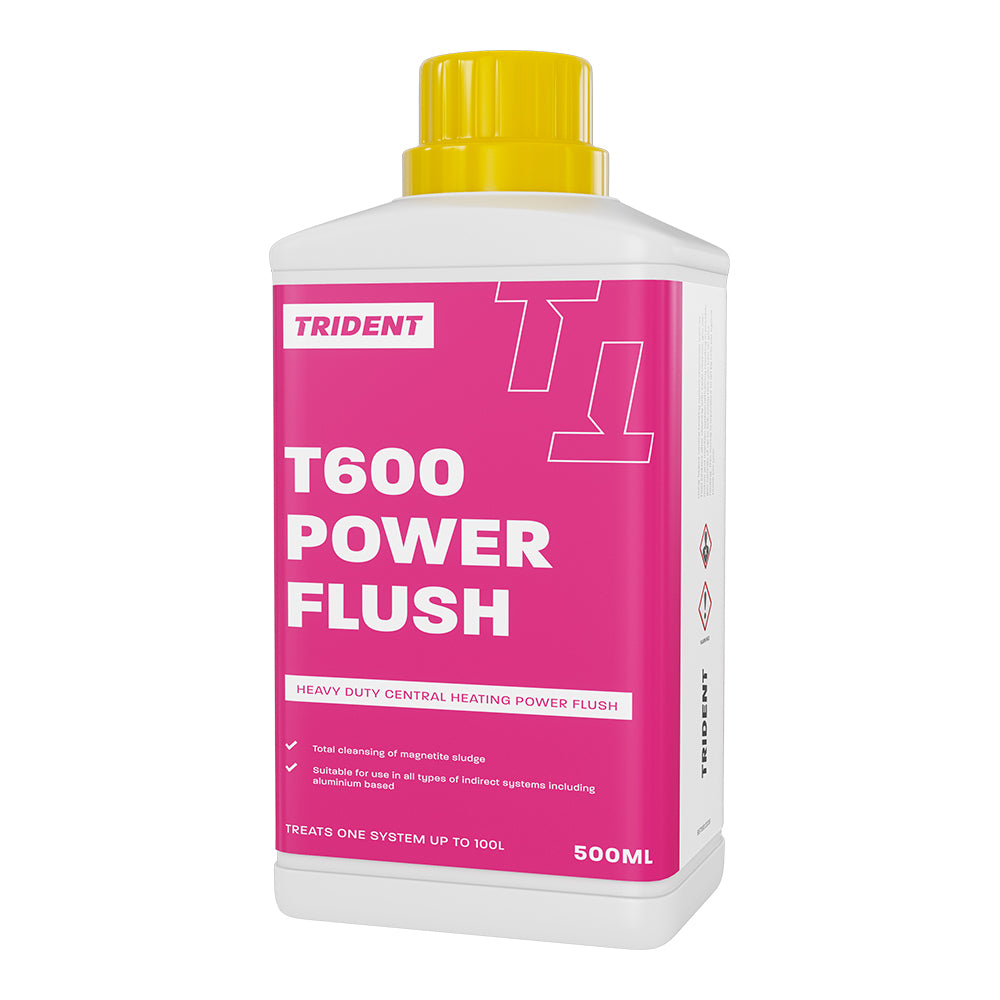
- Persistent Sludge Build Up - This will need power flushing, where professionals blast contaminated water out of your entire heating system using specialist equipment. They'll also add inhibitor chemicals afterwards to prevent sludge from building up again.
- System-Wide Imbalances Affecting Multiple Radiators - This indicates pump problems or complex valve issues. If the radiators throughout your home won't heat evenly despite balancing the radiators yourself, get professional help.
Important: Make sure to call in a Gas Safe-registered engineer. Don't mess about with complex heating system components, as you could make things worse or even create dangerous situations.
You should also call an engineer if you:
- Smell gas
- Notice the pilot light is constantly going out
- Think your boiler might be malfunctioning
Stone cold radiators are a pain, especially in the middle of winter, but your safety is the most important thing. A qualified professional can diagnose problems quickly and carry out repairs properly, giving you peace of mind as well as a nice, toasty home.

Fancy a Radiator Upgrade? When It's Time
Sometimes fixing an old radiator isn't worth the hassle and expense. If you find you're always bleeding radiators or your radiator has visible corrosion, then upgrading makes more sense. You don't always have to wait for something to go wrong, either. An old, rusty 50-year-old radiator that's groaning and moaning is definitely worth an upgrade.
Modern radiators are stylish and, when sized correctly, will keep your home nice and toasty all winter long. When you upgrade with UK Radiators, you can expect:
- Heat You Can Trust - All our radiators are independently tested and verified by a third party for accurate heat outputs, so you can rest easy knowing your new radiator is designed to heat your new home perfectly.
- Styles For All Homes - Get column radiators for a more traditional look or browse our designer radiators for a contemporary feel.
- A Range of Radiator Types - As well as central heating options, we're talking bathroom radiators built for humid environments or even electric models for concentrated heat solutions.
Whatever you fancy, we've got you covered. There's a better solution than endlessly tinkering with a troublesome old radiator.
Frequently Asked Questions
Why is my Radiator Hot at the Bottom but Cold at the Top?
This is because air trapped at the top of your radiator creates an airlock. This stops hot water from circulating properly and getting to the top of your radiators. It's annoying but fixable. You can release trapped air by bleeding your radiator following our guide above.
How Can You Tell if a Radiator Needs Bleeding?
Feel the top of your radiator. If it's colder than the bottom of the radiator, your radiator has trapped air and needs to be bled.
You might also hear gurgling noises when your heating is on, which indicates that air pockets are moving through the system. Experiencing other radiator noises? Check out our article on noisy radiators and what to do about them.
How Often Should I Bleed My Radiators Before Winter?
We recommend bleeding your radiators at least once a year, ideally just before winter when you're about to start using your heating regularly.
If you notice your radiator has cold spots throughout winter, bleed them again.
Can a Stuck TRV Ruin my Radiator?
No, a stuck thermostatic radiator valve won't damage the radiator itself.
However, when your radiator thermostat is stuck, it stops water from flowing through properly. This means your radiator won't heat up even though your heating system is working.
Why Are Only the Downstairs Radiators Working?
If your radiators downstairs are lovely and warm but your upstairs radiators are cold, this could be due to a number of factors. Depending on your pipe layout, you might have cold radiators upstairs due to air collecting in higher radiators. Alternatively, it could also be due to a partially stuck or closed valve or, less commonly, pump/head issues. It could also be because of balance issues, where the hot water is taking the easier route to the downstairs radiators and not reaching the upstairs ones.
Why Would a Radiator Suddenly Stop Working?
There are a few reasons for this. Sudden failure usually means:
- A valve has closed accidentally
- The TRV pin has stuck
- The lockshield valve has been knocked shut
- There's a system-wide pressure drop
- Sludge buildup
What is the Average Lifespan of a Radiator?
A radiator typically lasts 15-20 years, though the quality of the radiator makes a big difference. Cheap radiators corrode faster, whilst premium models can last 25+ years. To maintain your radiator, we recommend:
- Bleeding it regularly
- Getting it serviced annually
At UK Radiators, our models come with warranties up to 25 years for your peace of mind.
Conclusion
Radiator not working? There's nothing worse than a stone-cold radiator in the middle of winter. The good thing is that, a lot of the time, radiators stop working for straightforward reasons: trapped air, stuck valves, low boiler pressure, or system imbalances. So there's no need to panic about expensive repairs yet.
Work through the simple checks, such as bleeding your radiators and checking the valves.
If our recommended DIY fixes don't solve the problem, then you may need to call a professional. Repeated issues often indicate sludge buildup or component problems that need professional diagnosis and repair.
If you have a radiator that's not working as it should, it might be time to upgrade. Here at UK Radiators, our models come with verified heat outputs and stylish designs. Why struggle with troublesome old radiators when you could enjoy toasty warmth all winter long?