Why Are My Radiators Noisy? Common Causes and Effective Solutions
Your radiators are an important part of the central heating system, providing the comfort and warmth you need, especially in the cold winter season. But when they start making noise, it can be very frustrating.
If there’s a constant gurgling noise, banging, or high-pitched hissing sound coming from your radiator, it’s likely an indication of a problem that needs to be solved. In this guide, we’ll discuss the most common reasons why radiators make noises, provide practical solutions, and help you determine when it's time to seek professional help.
Understanding Common Radiator Noises

Identifying the specific sound your radiator makes will help you determine the source of the problem. Here are the most frequent sounds you might hear from noisy radiators and what they typically indicate:
Banging or Knocking Noise
Knocking or banging sounds are usually caused by “radiator hammer.” This is a specific type of water hammer in radiators that occurs when a faulty or incorrectly installed thermostatic radiator valve (TRV) is on the return pipe. The high-velocity water supply drags the valve’s plunger down, creating noises as it rushes through pipes. Excess air in the system can also produce these types of noises as it moves with the water, causing uneven flow that results in a noisy banging or knocking sound.
Bubbling Sounds or Gurgling Noises
If you hear gurgling noises or bubbling water sounds coming from the radiator, it’s probably because of air in the system. Air pockets restrict water flow through your radiators, creating uneven heating and bubbling noises.
This issue often happens when the overall system pressure is too low, which allows air to be drawn into the pipes. It can also be a sign of a flow restriction, which may indicate sludge build-up (sediment formation and limescale) in older heating systems.
Hissing or Whistling Sounds
When water in your central heating flows too fast due to excessive pump speed or faulty pressure, it pushes through narrow passages, valve ports, or internal restrictions (bent pipes, debris buildup, or blockages), which produce whistling or rushing water sounds.
A persistent hissing sound typically indicates that air is trapped in the radiator and is being released through the bleed valve, or it could be caused by a small leak in the radiator or pipework.
Clicking or Popping Noise
You'll hear radiator clicking or popping sounds when the metal parts of the radiator expand and contract due to a change in temperature. This is a normal sound produced when the radiator cools down or warms up.
This noise usually doesn’t require any action. However, you can secure the radiator pipes properly to allow for free movement or insulate the pipes with rubber mounts to reduce the sound.
Rattling or Vibrating Sounds
Your radiator may produce rattling sounds or vibrations when loose components in the heating system move as water flows through the pipes. Loose parts, such as pipe joints, brackets, valves, or even the radiator body itself, can make noise as water flows through the system. Boiler and gas supply issues can also lead to irregular pressure, which might worsen these noises.
Common Causes of Noisy Radiators

Understanding the reason behind the noise will allow you to address the problem effectively. Here are some of the main causes of noisy radiators:
Trapped Air
Air can enter the system through a leak, low system pressure, a failing component, or during maintenance/refilling. Trapped air disrupts the hot water flow, creating gurgling noises and cold spots on the radiator.
Sludge and Debris Buildup
Over time, sediment buildup, limescale, and rust accumulate inside the radiator system, especially in older homes. This debris blocks the flow of hot water, causing the system to make vibrating sounds.
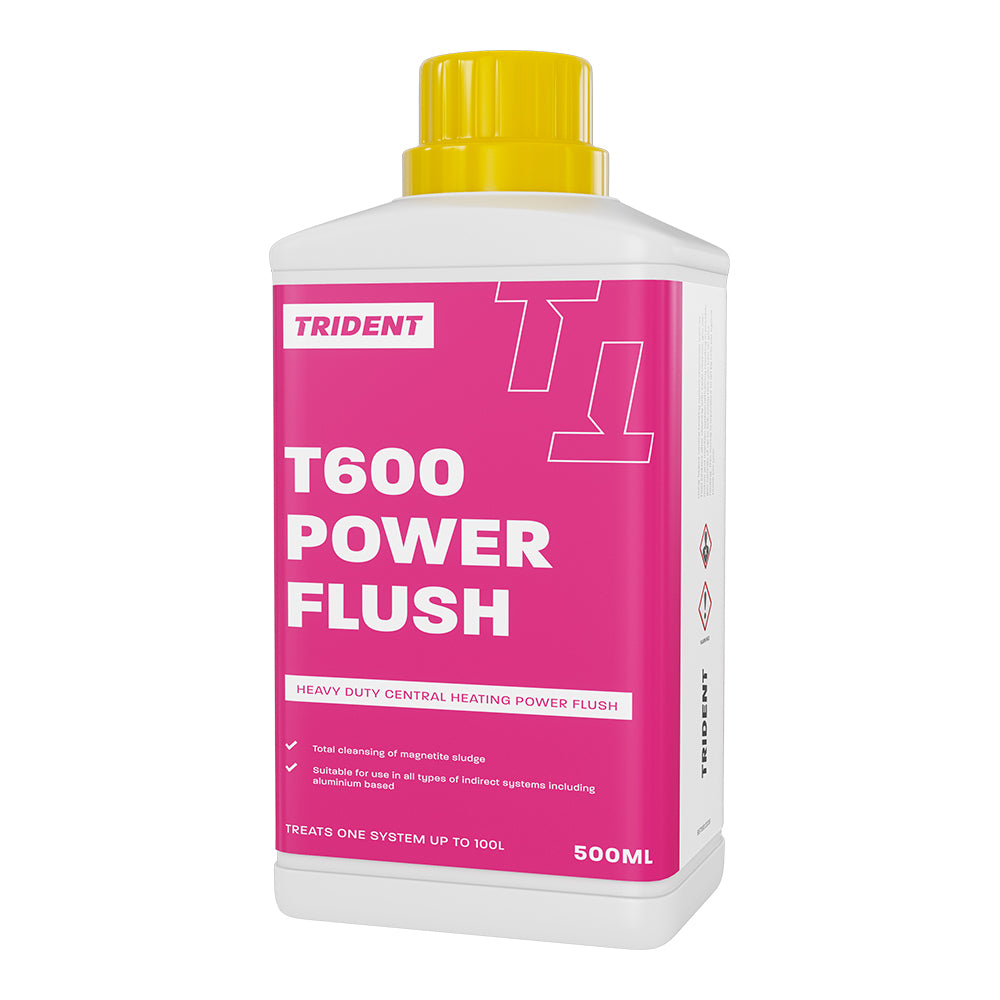
You'll need a power flush to clear sediment buildup and limescale from the system. Additionally, installing a new boiler filter or magnetic filter can reduce the buildup of other debris.
High Water Pressure
When the water pressure in the central heating system is excessively high, it forces water through tiny openings in the pipes, creating a whistling sound. Excess pressure wears out the radiator valves and other components of the system with time, resulting in leaks or system failure.
Faulty Radiator Valves
A damaged radiator valve can disrupt the regular flow of water, causing uneven heating and vibration. It can lead to radiator whistling, rattling, or even hissing sounds if the valve isn't allowing enough water to pass through. Check out the ultimate guide to radiator valves for everything you need to know about faulty radiators.
Water Hammer (Hydraulic Shock)
Water hammer is a loud, distinct banging or hammering sound that occurs when the flow of water in a pipe is suddenly and abruptly stopped or forced to change direction. This can also cause significant damage to the heating system.
Troubleshooting Noisy Radiators: DIY Solutions

You don’t necessarily need to call a heating engineer to fix a noisy radiator. Here are some DIY tips you can implement to resolve common problems with your radiators.
Bleeding Your Radiators
Bleeding your radiators removes trapped air, one of the most common causes of gurgling sounds and cold patches. Here are the steps for bleeding your radiators:
- Turn off your central heating system and allow the radiators to cool.
- Open the bleed valve at the top of the radiator using a radiator key and unscrew it.
- Allow the air to vent out until water starts flowing normally.
- Switch off the valve.
- Check the other radiators in your home.
- If clogged air is the issue, bleed your radiator to eliminate the air.
However, if radiator hammer is the issue, check and correct system pressure, balance the radiators, secure loose pipes, and ensure the TRV is installed correctly to improve flow.
Checking and Adjusting Water Pressure
Check the pressure gauge on your boiler and adjust it to the settings recommended by the manufacturer (normally between 1 and 1.5 bar). If the pressure is too high, release some of the water through the pressure relief valve. If it's too low, top it up with the filling loop to the recommended level.
Maintaining the correct system pressure ensures there is no hissing radiator issue or whistling sound with smooth water flow. If the noise persists, ensure the radiator valves are working well without interrupting the hot water flow. Our guide on how to fix common radiator valve problems will show you the signs to look for.
Securing Loose Components
Loose fittings and pipe joints often cause rattling sounds and vibrations in the system. Check all pipe joints and radiator valves and tighten any loose components. If the fittings are worn out, we have a range of radiator accessories that come in a variety of finishes and colours to suit any style.
Noises might persist because of deeper issues, such as internal corrosion, damp patches around the radiator (or pipes), or imbalances in the boiler and gas supply affecting pressure. You may also have an old radiator. In this case, replace your noisy radiator with a brand new one. At UK Radiators, our central heating radiators run silently, are easy to use, simple to install, and offer reliable quality that lasts.
Preventive Measures to Reduce Future Radiator Noise

Once you’ve fixed your noisy radiator or replaced it with a new one, here’s how you can keep the heating system running quietly.
Regular Maintenance Checks
Regular maintenance will keep your radiators in good shape. Check your system regularly for air, sludge accumulation, and radiator valve functionality. Schedule a radiator maintenance check-up at least once a year to keep your system running smoothly.
Installing Magnetic Filters
Install a boiler filter or magnetic filter to collect ferrous sludge (rust particles), preventing sediment buildup in your heating system. Adding a magnetic filter to your central heating system to trap metal debris and reduce the risk of clogs. This will keep the system clean and running efficiently.
Balancing the Radiator System
If your system is unbalanced, some radiators may be too hot while others remain cold, leading to inefficiencies and potential noise. Seek professional help to balance the system by adjusting the water flow to each radiator. This will help distribute heat more evenly and reduce any noise from the radiator.
How to Stop the Buzzing Noise from the Radiator
Buzzing or vibrating is normally caused by loose thermostatic radiator valves or pumps resonating through pipework. To avoid the sound:
- Check the air vents and bleed the trapped air with a bleed valve.
- Tighten all pipe joints to avoid vibration.
- If sludge or all the limescale is present, consider adding a scale reducer or chemical inhibitor. Alternatively, power flushing can clear out any build-up and increase the flow of water.
Once the air flow is restored and blockages are cleared, the buzzing or rattling of the radiator should stop, allowing for a steady flow of hot water.
Frequently Asked Questions
Is It Normal To Hear Noise From a Radiator?
Yes, some noises are normal and occur due to metal expanding (thermal expansion) and contracting as the radiator heats up. This can produce a clicking radiator sound or creaking noises. These noises are typically harmless. Small air bubbles moving through the system can also cause gurgling radiator sounds. However, a persistent banging, whistling, or hissing noise may indicate underlying issues such as trapped air, high pressure, or blockages in pipe joints.
If you have an electric radiator, it can emit a soft clicking noise as it heats up, which is generally a normal part of the process. But when these noises become a nuisance, you need to investigate the root cause. Maintaining the radiators properly prevents such problems, allowing hot water to flow throughout your system. This means you don’t have to deal with annoying radiator noises.
Will Bleeding Radiators Stop the Banging Noise?
Yes, bleeding radiators typically remove banging sounds from trapped air or air bubbles in the system. Use a radiator key on the bleed valve to release trapped air. If the banging continues despite bleeding the radiator, it may indicate water hammer or loose connections between pipes. This may require further adjustment, such as tightening brackets or checking the lockshield valve.
How Do I Know Which Radiator Needs Bleeding?
You can tell if your radiator needs bleeding because it will typically have cold spots at the top and a warm bottom. You’ll also hear radiator gurgling, radiator clicking, or a high-pitched sound due to trapped air. If you notice the radiator whistling or making hissing radiator sounds, it needs bleeding to achieve normal heat distribution.
Should I Turn Off the Heat Before Bleeding?
Yes, turn off your central heating and allow the radiator to cool down before bleeding with a bleed valve or drain valve. This prevents hot dripping water from escaping and causing burns or damage to your floors. After bleeding, turn your heating back on and check if hot water flows evenly through all radiators. This keeps you safe while effectively removing trapped air or air bubbles.
Final Thoughts
The simple answer to the question "Why are my radiators noisy?" is that your radiator can be noisy for various reasons, including air bubbles, sediment, and limescale build-ups, water hammer, high water pressure, and faulty radiator valves.
You can restore quiet, efficient heating to your home by finding out why radiators gurgle, whistle, or bang and taking simple measures like bleeding radiators or adjusting system pressure. If DIY solutions don’t work, don’t hesitate to call in a professional.