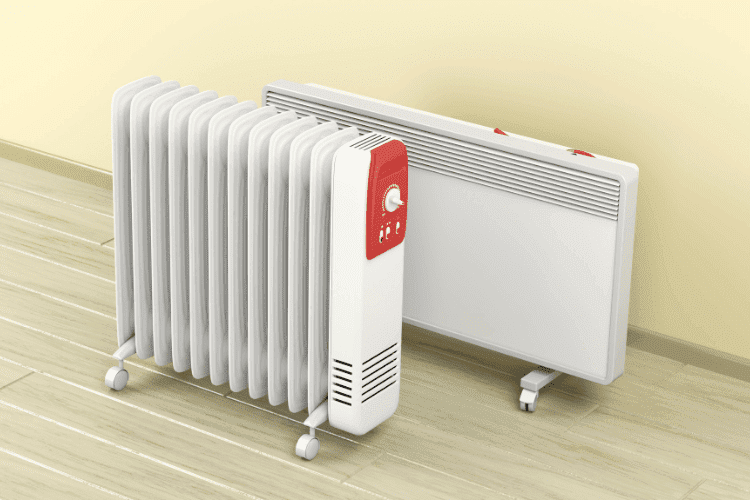
Are Oil-Filled Radiators Safe? Understanding the Safety and Risks
Oil-filled radiators are a commonly used way to heat rooms, especially during colder months, as a secondary or temporary heating option. But, like any appliance that generates heat, safety is a top priority. So, are oil-filled radiators safe?
In this guide, we’ll explore the potential risks of oil-filled radiators and how to use them safely. Here are some top tips you'll need to know about the safety of oil-filled radiators.

Understanding Oil-Filled Radiators
Oil-filled radiators work by using electricity to heat oil sealed inside the unit. When electrical current flows through the heating element, the oil inside becomes warm and then radiates heat to the surrounding space.
While oil-filled radiators don’t blow hot air, they still heat by convection just like fan heaters. The special oil inside the radiator allows it to heat up slowly and retain that heat for an extended period after you’ve switched off the radiator.
Oil Radiators Provide Long-Lasting Heat
People prefer oil-filled radiators because they retain heat, providing warm temperatures for an extended time, even after you’ve switched them off. The oil in the device keeps the heat insulated, slowly and consistently releasing it. If your radiator has a heat output that matches the size of the room, it can provide a cozy room temperature without continuous power.
However, if you only want to heat a room at a specific time, then the retained heat will continue to disperse after you no longer need to use the room, which wastes energy.
Oil radiators also operate quietly, making them ideal for bedrooms, home workplaces, and other quiet places. Additionally, the built-in thermostats and safety features also minimize the chances of overheating.

The Safety Features of Oil-Filled Radiators
Built-in Safety Mechanisms
Oil-filled radiators come with multiple built-in safety features to make them safe during use:
- Thermal Cut-Off: When the radiator is on the verge of reaching a critical temperature, the thermal cut-off feature automatically switches it off. This prevents overheating and potential fire hazards.
- Overheat Protection: Similar to the cut-off system, overheat protection ensures that the unit will turn off when it’s excessively hot. This feature prevents fire risks, especially in situations where the radiator is left running for hours.
- Automatic Shutoff: Many modern oil-filled radiators include an automatic shut-off in case they're accidentally tilted, preventing accidents or overheating.
Addressing Potential Risks
Even with these safety features, there are still some potential risks. Here are the biggest ones:
- Fire Risk: Although oil-filled radiators are low-risk, there’s still a possibility of fire when the unit is positioned near flammable objects or not properly maintained.
- Burn Hazards: The exterior surface of the radiator will get very hot. Haphazard touch may result in burns, particularly if children or pets are around.
- Electrical Faults: Faulty wiring, power surges, or using the heater on a bad outlet can increase the risk of an electrical fire.
Common Causes of Fires
Though oil-filled radiators are largely safe, improper use or equipment malfunction can lead to fire hazards. The common causes include:
- Misuse: Leaving the radiator near flammable materials like curtains or paper can increase the risk of fire.
- Faulty Equipment: Over time, wear and tear can cause the radiator's internal wiring or thermostat to malfunction, potentially leading to overheating or fire risk.
- Electrical Overload: Connecting the radiator to a powered-up outlet or connecting it to inappropriate extension cords increases the risk of electrical fire.
Preventing Fire Hazards
To reduce the risk of fire, consider the following top tips:
- Always switch off the radiator when it's not in use, particularly at night or when the room is unoccupied.
- Check for damage regularly, especially to the power cord or plug.
- Keep it away from flammable items. Ensure there’s a safe distance of at least 1 metre from any combustibles.
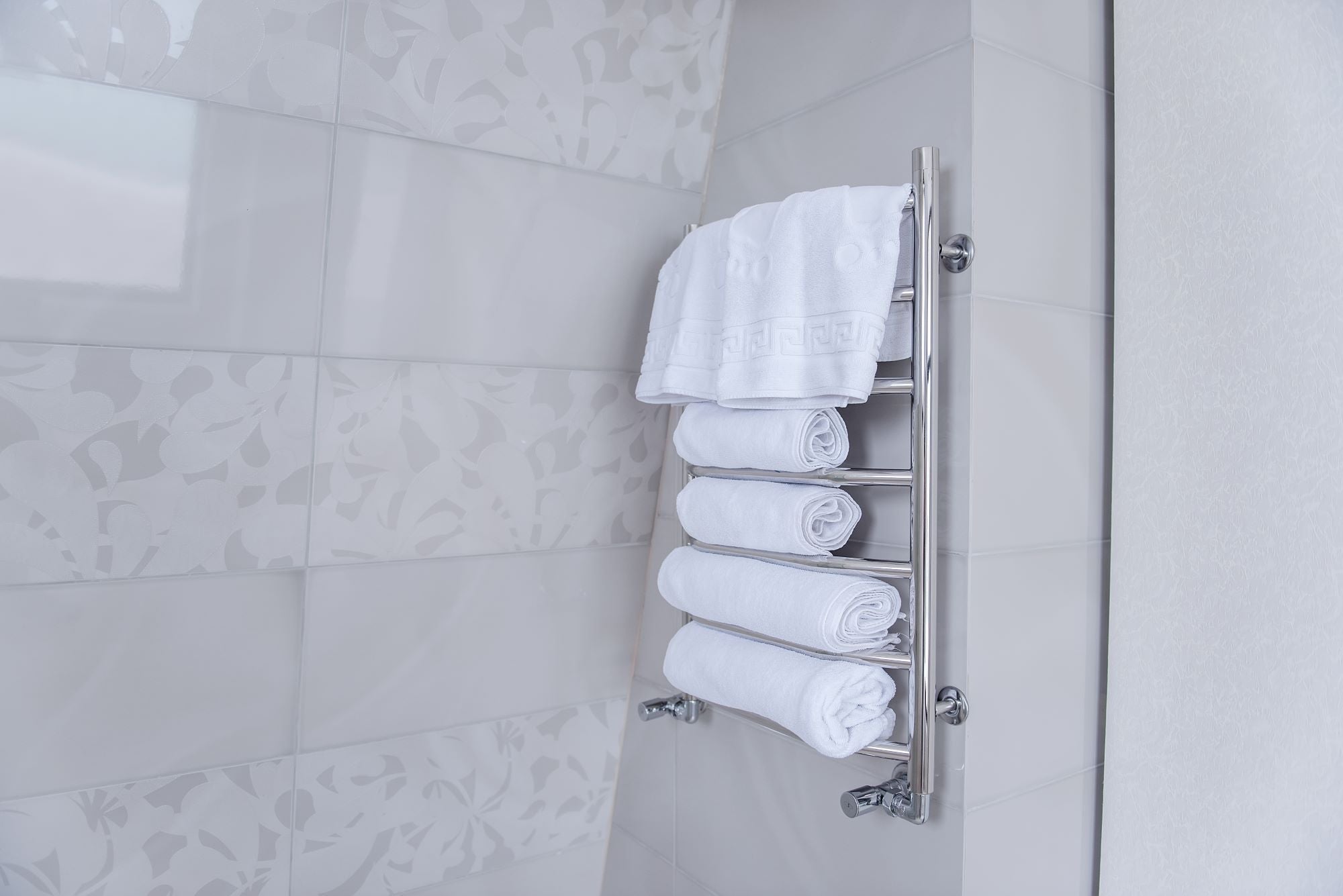
- Don't use the radiator as a drying device for clothes or towels. You can get stylish, designer electric towel radiators, specifically made to ensure you have warm, dry towels when taking a bath.

Safety Considerations for Children and Pets
Protecting Children and Pets from Oil-Filled Radiators
When you use them properly, oil-filled heaters are safe around children and pets, but it's still important to exercise caution. The radiator’s exterior can become very hot, which can lead to burns if touched. To keep your loved ones safe:
- Place the Radiator Out of Reach: If you have a freestanding radiator, put it in areas where children or pets can’t easily access it. A high or secure surface can help.
- Use Protective Guards: Consider using a protective guard around the oil heater to prevent accidental burns. Safety guards are a great option for families with young children or pets. These guards keep the radiator’s surface protected, making it harder for little hands or paws to come into contact with the hot surface.

Risks of Using Oil Radiators on Unstable Surfaces
Stability and Safety
Place your oil radiator on a solid floor. Leaving it on unstable or soft floors like carpets makes it more likely to tip over. This can cause burns or fires.
Use the following tips to stay safe:
- Always place the radiator on a flat, stable surface, such as a hard floor or ceramic tile.
- Ensure the heater is positioned out of areas with high traffic, especially where children or pets might inadvertently tip it over.
Precautionary Measures
If your radiator has been installed in a room with carpeting, then ensure it's correctly positioned. A few models come equipped with an anti-tip feature, which will ensure that the radiator won't get knocked over.

Comparing Oil-Filled Radiators with Other Heating Options
Oil-Filled Radiators vs. Other Space Heaters
When compared to other electric heaters, such as fan or halogen heaters, oil-filled radiators are a safer option for long-term use. Fan heaters often have exposed heating elements that can pose a fire risk, while oil-filled radiators feature a sealed system that reduces the chance of such hazards.
If you're looking for safe electric radiators (oil-filled or not), we have plenty of options. They're equipped with a thermostat. This measures the room temperature and adjusts any discrepancy between the average room temperature and the temperature sensed by the element thermostat.
Frequently Asked Questions
Is It Safe to Leave an Oil-Filled Radiator On All Night?
Leaving an oil radiator overnight is generally safe, especially if it has safety features, such as overheat protection and automatic turn-off. Electric radiators, including oil heaters, pose a relatively low risk of fire when used correctly. That being said, it's a good idea to position the heater on a firm, flat area and keep it away from flammable objects in close proximity, such as bedding or curtains.
This is because a high surface temperature can be a burn or fire risk. Although oil-filled radiators aren't completely safe in all situations, they're much safer than something like a halogen heater, which can catch fire easily because of exposed heating elements.
What Are the Disadvantages of Oil-Filled Radiators?
Despite all their benefits, oil heaters have some drawbacks:
- Slow Warm-Up: They’re not instant heaters. If you need to warm a space quickly, a convection or fan heater might be faster.
- Heavy and Bulky: Oil heaters are generally heavier than other electric radiators, which come as portable units.
- Not Ideal for Moist Environments: You can't install them in rooms with moisture, like bathrooms, unless the product is specifically made for humid conditions.
- No Smart Controls: Most entry models lack smart controls or thermostatic controls, which means they're less efficient in energy usage in the long term.
That said, if you use them on a regular basis, electric oil heaters can be a great addition to your home, especially if you want to heat certain areas without using the central system.
Do Oil Radiator Heaters Use a Lot of Electricity?
Oil radiator heaters can save energy when you size them properly for the space they heat. An undersized radiator will struggle to reach the desired temperature, forcing it to work harder and use more electricity to maintain heat. Ensure the radiator matches the size of your room to avoid these inefficiencies.
While oil radiators do consume power, they cycle on and off, preventing them from continuously drawing maximum energy. In well-insulated spaces like a bedroom or a study, they heat only the necessary area, helping you lower heating costs.
Is It Cheaper to Run Central Heating or an Oil-Filled Radiator?
The answer depends on how you use your heater. Heating an entire house with full central heating is more cost-effective in large homes during winter. However, using an oil heater in a single room or for short periods, such as in the evening or for short bursts during the summer, means you won’t have to heat the whole house. Oil-filled units don’t require boiler startup and don’t lose heat through pipes.
However, if you want to warm the entire house, consider our central heating radiators. These offer efficiency-verified heat outputs, high performance, and reliable, tested quality that lasts.
Do Oil-Filled Radiators Overheat?
Not usually. These heaters are designed with safety in mind. Features like thermostats and overheat protection prevent them from reaching dangerous surface temperatures. If an issue does occur, modern models shut down automatically before overheating becomes a problem.
Of course, you must avoid the common mistakes. Don’t cover the unit, don’t block airflow, and make sure it’s not too close to flammable items. While there is always some risk with any electrical appliance, Oil-filled models are usually safe and present a relatively low risk of causing issues.
How Long Do Oil-Filled Radiators Take to Heat Up a Room?
Oil-filled radiators are not instant heaters. It can take between 15 and 30 minutes for the heater to heat a small to medium-sized room to a warm temperature. The principle of convection allows warm air to circulate slowly, giving a constant and warm heat.
If you're upgrading from a fan heater or halogen heater, you may find the new heater slower to start up. Although the primary job of a radiator is to transfer heat and not retain it, oil radiators take longer to cool down. In well-insulated rooms with a properly sized radiator, you won’t have to run the radiator 24/7 to keep your room warm.
Conclusion
Oil-filled heaters are safe and can be efficient as long as you use them correctly. They’re low-risk for fire with proper maintenance, correct placement, and adherence to safety precautions. These oil heaters are also perfect for small spaces, and can provide cost-effective heat without the risks associated with portable gas heaters.
If you've used oil heaters for several years or want something different, replace them with designer and smart electric radiators from UK radiators. They provide equally efficient, flexible heating for homes and buildings, and can be integrated into smart home systems.