How to Stop Condensation on Windows: 12 Proven Solutions for UK Homes
If you're a UK homeowner or renter, you'll be no stranger to condensation. We've all experienced it at some point or another, and especially during those cold, winter months. But too much condensation on windows can become a big concern, leading to issues like black mould growth and poor indoor air quality.
It can be a frustrating problem. You wipe it away, and it just comes back.
But don’t stress – we’re here. Here's why you might be getting condensation on your window, exactly what you can do about it, and some long-term solutions to stop it coming back for good.
What Is Window Condensation?
Before we show you how to stop condensation on windows, let's get technical for a moment. Condensation is just water vapour in the air that turns back into liquid when it hits a cold surface – like your window. During the wintertime, your windows are the coldest surface in your home, which makes it easy for condensation to start forming.
Why UK Homes Are Particularly Vulnerable
British homes are common victims of condensation. Our cold, damp climate means windows stay chilly for months on end. It doesn't matter if you're living in a draughty Victorian terrace house or a modern, tightly sealed new build; in general, our homes are designed to keep the heat in. This means your home is often not immune.
Then there are our heating habits. If our home is warm in the morning and evening (when we switch the heating on) but cold during the day, this causes the ideal conditions for condensation to form, since the internal air is warm and humid.
Knowing how to prevent condensation will stop mould growth and improve indoor air quality.
What Causes Condensation on Windows?
Inadequate Heating
If you don't heat your home at all, you'll end up with very cold windows, which causes condensation. Heating intermittently on high settings creates temperature swings that will cause it, too.
Many UK homes are under-heated or heated erratically. However, the solution isn't to crank up your boiler's flow temperature. You need properly-sized radiators that will give you stable heating (but more on that later).
High Indoor Humidity
Several UK council and housing leaflets estimate that a typical family can generate around 10–20 litres of water vapour per day from normal activities such as cooking, bathing, drying clothes, breathing, etc.
Indoor humidity should sit between 40-60% humidity, as this is a normal, comfortable range. As a rule of thumb, you want to avoid going over 60%.
You can pick up a hygrometer for £10-15 to track your humidity levels.
Poor Ventilation
Modern homes are sealed tight for energy efficiency, and although this is excellent news for your heating bills, it's rubbish for moisture management. When moisture has nowhere to escape, it condenses on the coldest surface available, and, in many cases, this is your windows.
If your extractor fans don't work in the bathroom or kitchen, they're contributing to the problem, too.
Temperature Differences
Cold windows and trapped warm, moist air inside equals condensation. The problem is the worst in the colder months when the temperature difference between inside and outside is greatest. Single-glazed windows are colder than double-glazed windows or triple-glazed windows, which makes them even more prone to condensation.
Drying Clothes Indoors
Drying clothes indoors, especially in small or poorly ventilated rooms, is a major source of excess indoor humidity and condensation. One load of washing releases approximately 1-3 litres of water into the air as it dries.
This is one of the biggest culprits, especially in British homes where outdoor drying isn't always practical.

12 Ways to Stop Condensation Forming on Windows
You don't need to do all of the following tips. Even if you only implement three or four, it will help reduce or prevent condensation.
1. Heat Your Home Properly
This is where having the right radiators becomes super important. One of the biggest mistakes you can make when it comes to condensation is turning the heating completely off, then blasting it on high later. This creates perfect condensation conditions, with humid and warm air and icy cold window surfaces.
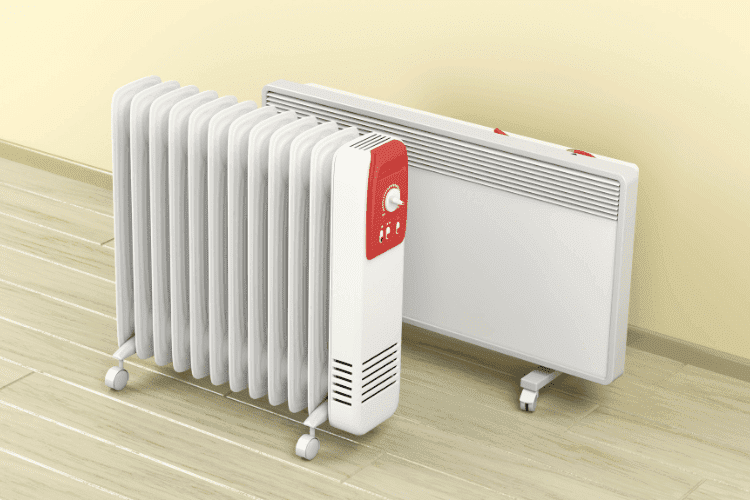
In order to keep the temperature of your home comfortable, you need continuous and stable heat. For this, you need to have the right-sized radiators. Undersized radiators won't heat your home properly, and you may find yourself cranking up the flow temperature to get warm. In comparison, properly sized radiators at lower settings maintain stable temperatures.
Many radiator suppliers overstate heat outputs, which can make it difficult to find a radiator that's properly sized for your home. At UK Radiators, all our radiators have verified heat outputs, making them the best radiators for your home. From designer radiators for a modern touch to traditional column radiators, we've got a range of radiator types to suit your home.
2. Open Your Windows Daily
You don't have to leave your windows open all day. Just open your window 10-15 minutes every single morning and evening for what’s known as "shock ventilation" – where you invite a quick burst of fresh air in to reduce humidity without major heat loss.
3. Use Extractor Fans
Most of us have them, but a lot of the time, we don't use them properly. Turn your extractor fan on before you start cooking or showering, not after, as this will stop moisture from building up in the first place. You also want to run the fan for 15-20 minutes after you've finished. Keep the door closed to contain the moisture whilst the fan extracts it.
4. Keep Curtains and Blinds Open
Closed curtains may look warmer, but they trap pockets of cold air between the curtain and the window, creating an even colder surface. Pull curtains back and open blinds fully during the day because this will let warm air circulate near the window glass.
5. Move Furniture Away from Walls
Furniture such as wardrobes, beds, and sofas that are pushed tight against external walls traps moisture and stops air circulation. You don't have to move all your furniture into the middle of the room, but try to leave a 5cm gap for airflow.
You'll often find mould growing unnoticed behind your furniture, so always make sure to check.
6. Use a Dehumidifier
Dehumidifiers are one of the most effective tools for controlling condensation, working to lower indoor humidity levels, making it less likely for condensation to form on windows. Here are some general guidelines to consider:
- You need 12-16 litres for a typical 2-3 bedroom UK home
- A 7-12 litre model works for small flats
- Larger homes with serious damp need 18+ litres
Place dehumidifiers in rooms with high humidity, which are usually bedrooms or bathrooms. Set it to maintain 50-55% relative humidity. Run it overnight in bedrooms or for 2-3 hours daily in rooms with the highest humidity, and keep any doors and windows closed whilst it's running.
You can also place moisture absorbers near your windows overnight.
7. Avoid Drying Clothes Indoors
One load of washing can release up to 2 litres of moisture – that's a lot! We always recommend outdoor drying when possible, but it's not always feasible.
Some tips for drying clothes inside include:
- Use your bathroom to dry clothes with the door firmly closed, windows open, and switch the extractor fan on.
- Don't dry clothes on radiators with windows and doors closed – it's going to give you a lot of condensation.
- You can get heated clothes airers that can dry your clothes.
8. Wipe Windows Regularly
This won't treat the cause of condensation, but it will stop excess moisture from damaging your windowsills and frames in the short term.
Every morning, wipe condensation from glass, sills, and frames using a microfibre cloth or a squeegee.

Long-Term Investments and Permanent Solutions to Stop Condensation Forming
9. Upgrade to Double or Triple Glazing
Proper window insulation can help. Double-glazed windows or triple-glazed windows are designed to keep the inside pane of glass warmer, which reduces the temperature difference that causes condensation.
A-rated windows, with U-values of 1.4 or below, are usually best. Many modern windows also have warm-edge spacers that further reduce condensation around the edges of the window.
However, if you notice:
- Condensation forming, despite having double-glazed windows, then you may need an upgrade, especially if your windows are 15-20 years old.
- Condensation between the panes means the seals are failing, and the unit will have to be replaced. Often, you can replace just the sealed unit rather than the entire window frame, which is significantly cheaper.
10. Improve Poor Insulation
Better home insulation will typically give you warmer walls, which means you get less condensation overall. UK guidance recommends that loft insulation should be at least 270mm thick. Consider cavity wall insulation or solid wall insulation (internal or external) if your home lacks it.
Ensure you also have proper ventilation, as modern, tight homes trap moisture more.
11. Install Trickle Vents
Small vents in window frames or walls give you constant low-level ventilation without creating draughts, which makes them great for rooms like the bedroom. Most of the time, modern double glazing will have these, but you can also refit them to older windows.
12. Consider a Whole-House Ventilation System
If you have persistent condensation problems, a PIV (Positive Input Ventilation) or MVHR (Mechanical Ventilation with Heat Recovery) system will improve ventilation overall and help you manage the moisture. PIV systems gently introduce filtered air into your home, usually from the loft space, creating positive pressure that pushes humid, moist air out. MVHR systems recover heat from extracted air.
You'll need to get them professionally installed.
The Health Risks: Why You Mustn't Ignore Condensation
Condensation might just seem like a nuisance, but if you don't get rid of it, it can cause serious problems for your health.
Condensation Leads to Mould
If you leave condensation for just 24-48 hours, this provides perfect conditions for mould spores to grow. Black mould (including species like Stachybotrys and Aspergillus niger) appears as black spots in window corners, around frames, on walls, and behind curtains.
It Impacts Your Health
According to the NHS, damp and mould can cause respiratory infections, asthma (particularly in children), allergies, breathing difficulties, skin irritation, and eye problems (including itchy eyes and runny nose) – or make them worse.
These conditions are particularly dangerous for babies, elderly people, and anyone with a compromised immune system.
It Damages Your Property
Moisture buildup can cause wooden window frames to rot, paintwork to peel, and wallpaper to become damaged with mould spores and wet patches. Your curtains and furnishings may develop a musty or damp smell. That’s why it’s so important to take measures to fix the problem.
Frequently Asked Questions
Is Condensation On Windows Normal?
A bit of condensation is normal, especially on those cold winter mornings when there's a big temperature difference between the inside and outside of your home.
That said, if you're experiencing a lot of condensation, water running down the glass and pooling on sills, or mould growth, you've got too much humid, indoor air.
Will a Dehumidifier Stop Condensation on Windows?
Dehumidifiers can help with condensation on windows by removing moisture from warm indoor air, which means you have less water vapour to condense on cold windows. Run your dehumidifier overnight and use some of the other tips on our list to help tackle condensation.
Does Opening Windows Reduce Condensation?
Opening windows can help reduce condensation. It lowers indoor humidity when the outside air is drier than the air inside, which reduces how much moisture can condense on cold glass.
Try "shock ventilation," where you open windows wide for 10-15 minutes rather than leaving them open for hours. This creates rapid air exchange without making your house freezing cold.
Why Do I Only Get Condensation On Some Windows?
There are a few reasons why you may only get condensation on some windows.
- North-facing windows stay cooler compared to south-facing windows because they get less direct sunlight.
- Single-glazed windows are naturally colder, which means they may produce more condensation.
- Bedrooms (where you breathe out moisture all night), as well as bathrooms and kitchens (where you get steam from cooking or showering), may have condensation on windows.
- Rooms without proper ventilation may have a window condensation problem.
- Blackout or thermal curtains, blinds, or furniture blocking airflow create "stagnant" zones where humid air pools near the glass, which increases condensation.
Is Condensation Worse With New Double Glazing?
Condensation isn't generally worse with new double-glazed windows, compared to single or old windows. New double or triple glazing keeps indoor heat in better, so the inner glass surface stays warmer and resists condensation more effectively than single glazing.
That said, in very airtight modern homes, high indoor humidity from activities such as showers, cooking, drying wet clothes can soon build up if you don't have proper ventilation. You might notice condensation forming on the edges of the windows, as these are the coldest spots.
What Temperature Should I Keep My House to Prevent Condensation?
It's recommended to keep a stable indoor temperature around 18–21°C (64–70°F), as this should keep your window and wall surfaces warm enough. You want to be consistent about it – don't turn heating completely off, then blast it on high.
To keep your home nice and toasty, you need the right radiators. At UK Radiators, we offer a range of fab options in a range of colours, including black, white, and anthracite designer radiators.
Conclusion
Fighting condensation can be frustrating. And the truth of the matter is that condensation is common in UK homes, but you can manage it with the right action plan in place. Whether you have a bit of condensation on windows overnight or a serious condensation problem, we've got you covered. We've given you a range of different solutions, but you don't need to implement every single one. Even just using three or four of these methods, like adequate ventilation, wiping liquid droplets from windows on a morning, and keeping your home steadily heated, will make a big difference in preventing condensation on windows.
References
- District Council. (N.D). CONDENSATION AND DAMPNESS. Mid Sussex District Council.
- Community and Children’s Services. (N.D). Condensation. It’s all around us! City of London.
- Support For Tenants (2025). NHS Advice on the Health Risks of Living with Mould and Damp. Support For Tenants.
- SmartVent. (2024). What Produces Moisture in Your Home? SmartVent.
- Loft Insulation Grant (2025). What Are the Loft Insulation Regulations in the UK. freeloftinsulationgrant